How I got here
I left for New Zealand at eighteen. Since then, there have been engineering projects, a café, changes of plan and a family of my own. This is how I remember it.
When I think about arriving in New Zealand, I remember being cold and jetlagged. My mum had come with me, and we were staying in a hotel on Queen Street while we looked for somewhere for me to live. I was eighteen.
There were little surprises everywhere. The food portions were huge. There were far more Asian people than I had expected, which tells you something about the picture of a Western country I had in my head before I arrived.
I didn’t have a car. Buying groceries could mean carrying a ten-kilogram bag of rice home from an Asian supermarket on the bus. That’s one of the memories that has stayed with me, alongside the university projects and the bigger decisions.
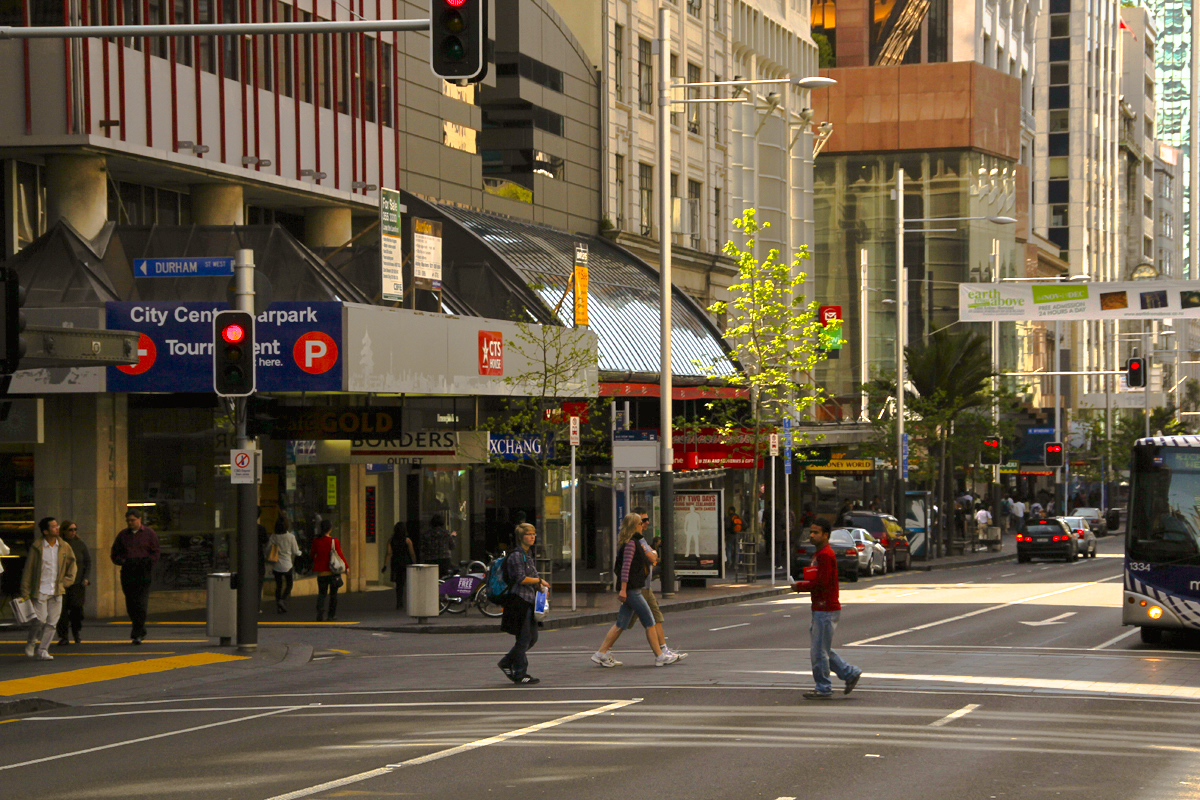
A place opposite the school
We were lucky with accommodation. We found an apartment just opposite my foundation school, which made one part of settling in much easier. Mum stayed for about two weeks before going home.
When she left, I felt relieved. I could finally try living freely and making my own decisions. There wasn’t a dramatic change in my daily life, but I liked having that space.
I missed her too. I remember dreaming about her trying to get through an airport without me and worrying because she couldn’t speak English. Back home, my parents spoke Chinese fluently, and I often helped with conversations in Thai and practical matters that involved other people or organisations.
My dad had run his own business and handled the important decisions himself. Still, being away meant I couldn’t help in the same way, and I worried about both of them as they got older. Feeling free and missing home existed quite comfortably together.
At school, I met Victor from China, Saud from Saudi Arabia and Anuj, who was Indian and had been born in South Africa. We were in the same class and started spending time together, playing pool, talking, joking and laughing.
I learned about their lives through those conversations. Saud told me about the support he received to study abroad, including tuition, accommodation and an allowance. Anuj’s background was different again. Getting to know people from different countries became an ordinary part of my day.
Learning how to learn
I needed to do well in foundation school to get into university. Early on, a physics pretest showed me how much work that would take. I recognised the material, but when I tried to answer the questions, I couldn’t do it.
That was difficult to accept. I had seen these things before, so I thought I knew them. Sitting there unable to solve the problems made it clear that I needed to go back and learn them properly.
I spent a lot of nights studying until two in the morning. When I got stuck, I went through the material again, slowly, until I understood it. YouTube helped a lot. Over time, physics became something I actually enjoyed.
I finished with 320 out of 400. The engineering entry requirement I was working towards was 300, so I had done enough to get in.
I was still deciding between medicine and engineering. Engineering interested me because I liked robots, physics and the idea of building something practical. It was also a shorter path, with much lower tuition costs for an international student. I didn’t want to take a bigger gamble with my parents’ money than I needed to.
University brought another round of starting from very little. C and MATLAB were difficult for me at first. I remember struggling with an early programming project because I couldn’t understand what I was supposed to do.
Eventually I went back through C on my own, slowly and repeatedly. There was a point when it started to make sense and I wondered why it had felt so impossible. I don’t remember a special technique. I remember spending the time and trying again.
The sensor finally worked
For my second-year internship, I decided to look in Thailand. I felt my chances in New Zealand were limited, so I emailed people at NSTDA and got a place in an automotive lab.
The task was to connect a sensor using CAN bus, a communication system used in vehicles, to a dashboard in National Instruments software. I had never done anything like it. Being around experienced researchers was exciting, but I put a lot of pressure on myself. I had come from studying in New Zealand, and I felt I ought to prove I could do the work.
My supervisor told me that a previous intern had spent six months on it without getting anywhere. That made the equipment feel like an even bigger challenge. The lab had bought expensive things that it hadn’t been able to use as intended.
Then I got the sensor readings onto my dashboard.
I almost cried. Looking back, I can see why someone with more experience might consider it a straightforward integration. At the time, I had worked out something unfamiliar and made equipment useful to the lab. That felt enormous.
We went on to test the system in an actual car, looking at readings such as acceleration and yaw rate, which tells us how quickly the car is turning about its vertical axis. The lab asked me to come back for another internship the following year. I was pleased they wanted me back, but I decided to try for a placement in New Zealand instead.
A few months at the refinery
I applied to Refining NZ and got an interview. It was my first visit to an oil refinery, and the scale of it stayed with me. There were boilers, huge pieces of equipment and flames in the sky. I found it intimidating and exciting at the same time.
I had spent time learning about the company, including its values and culture. During the interview, they commented on how prepared I was. I remember that because I had put real effort into understanding the place I was asking to join.
The placement meant living away from Auckland for several months. At first I rented a room from an older woman, and we had different expectations about things as basic as water use and washing dishes. Later I moved in with a university classmate who was also on placement.
Life outside work was quiet. People went fishing and kayaking, and the pace was slower than I wanted. I went running and visited the beach after work, but I missed my home in Auckland, my girlfriend at the time, my dog and my cat. I made two trips back each week, one during the week and another at the weekend.
At the refinery, I helped prepare documentation for electricians moving wiring from a legacy system to a new PLC, an industrial controller. The project required triple redundancy. The work could be tedious, but these were systems involved in keeping a refinery safe, so the details mattered.
I worked with several teams. On the migration project, a consultant checked my work and gave clear instructions. He was easygoing to work with, even though the responsibility behind the job was serious. I liked that combination.
Bringing engineering and healthcare together
My interest in medicine hadn’t entirely gone away. For my final-year project, I worked on a robotic training prototype for children with cerebral palsy. The idea was to make movement training more practical to fit into everyday life than the large, fixed systems we had been looking at.
My part was mainly the controls. We had an H-shaped frame with two motors and a belt-driven endpoint. The movement followed a gait pattern, and the system had three operating modes. I programmed the control in National Instruments software, using sensor feedback and a PID controller, which continually adjusts the motors to bring the movement closer to the intended path.
The difficult part was dealing with glitches in the sensor signals. An incorrect reading could make a motor respond in a way we hadn’t intended, which immediately became a safety concern. We added safeguards, worked on the signal processing and kept tuning the control system.
On project day, people from industry came to see the work. I spoke with a CEO who was interested in the idea and encouraged me to keep studying. After that conversation, I stayed for the final gathering because I hoped we might receive an award.
When our project was announced as the winner of the Cibus Prize, I went up to collect it. I remember being delighted that my instinct to stay had been right. The CEO even brought my supervisor into the conversation about continuing to a master’s or PhD.
I wanted to consider that seriously. At the same time, I needed a way to support myself and stay in New Zealand. I chose to start working, and later received permanent residency. The process took months, and I was proud when the approval finally arrived by email.
Work, a café and early mornings
I joined Pilz as a machinery safety consultant. I enjoyed travelling to different sites and seeing how people worked. Compared with university, the learning felt more manageable, although there was still plenty I hadn’t encountered before.
One project took me to a factory in Australia for a site-wide machinery safety audit with two experienced colleagues, Pedro and Merv. I was relatively new, so being included in that team meant a lot. They brought years of experience and were firm about applying the standards.
The conversations with customers were an important part of the job. People sometimes resisted a safety requirement because they felt it made their actual work difficult. I tried to understand the process and what was behind the objection. A lathe guard, for example, could become a difficult conversation when someone believed it would get in the way of the workpiece they needed to handle.
While I was working at Pilz, I also bought a café with my partner at the time. I had wanted to own a business for years, and a café was something I had always imagined doing.
The place needed a lot of attention. It was dark, easy to miss, had limited food options and served coffee that could be better. Lighting was one of the first things we changed as we started revamping it.
I would arrive around six in the morning, before the staff, to get things set up. Then I had to leave for my engineering job, where I needed to be by half past eight. Sometimes I came back later with ingredients to restock. My partner looked after the front of the café, and we had staff helping with service and the kitchen.
It was hard work. Everyone was tired, and there was very little rest between the café and the rest of our lives. I kept it for roughly two to three years before selling. By then, I knew I couldn’t manage it on my own, and I was making plans to study again overseas.
The move that didn’t happen
After about eight or nine years in New Zealand, I was ready to try somewhere else. I had been reading about quantitative trading and investment banking, and I wanted to study financial engineering.
Part of the attraction was the work itself, and part of it was the prestige. These looked like demanding careers where people worked long hours and were rewarded well. That appealed to me, and I don’t think there’s much point pretending it didn’t.
I applied to universities in Australia and the UK and received offers from the University of Sydney, Cass Business School and Imperial College London. I chose Imperial because of its reputation and because I wanted to experience London.
I cleared things up in New Zealand and came back to Thailand to spend time with my parents before leaving. Then my dad became seriously ill. Helping the family deal with his health became much more immediate than the move I had planned.
Later, my partner and I considered Australia, where it would be easier for her to pursue a master’s too. We made another plan, and then learned we were expecting a child. Moving overseas no longer felt realistic.
Work, study and a young family
I started working at Chemical Express and began changing how we used technology. I introduced a CRM, connected it to the ERP and built custom workflows around the way the business actually operated. There was also warehouse management work to get moving.
At the same time, I wanted to study machine learning. Predictive analytics interested me well before the current wave of conversational AI. I could see possibilities for using data to make better decisions, and I wanted to understand how to build those systems myself.
Carnegie Mellon’s part-time, mostly online master’s in Business Analytics fitted the life I had at that point. It was during COVID, I was working and we had our first child. I could keep studying without moving us to another country.
Fitting it into the calendar didn’t make it easy. There were lectures in the morning, work and company meetings, meetings with classmates and studying at night. Four hours of sleep was normal for me during that period.
My wife and her family helped a great deal with our son. Their support mattered enormously. I handled the engineering work and the degree myself, including the stakeholder conversations and the code for the core integration projects. Looking back at that period, I’m proud of what I managed, and I remember how tired I was.
When graduation came, my wife and our son travelled with me to the US. I finally met my classmates and capstone teammates in person after working with them online. We had done well together, and it was good to be in the same place at last.
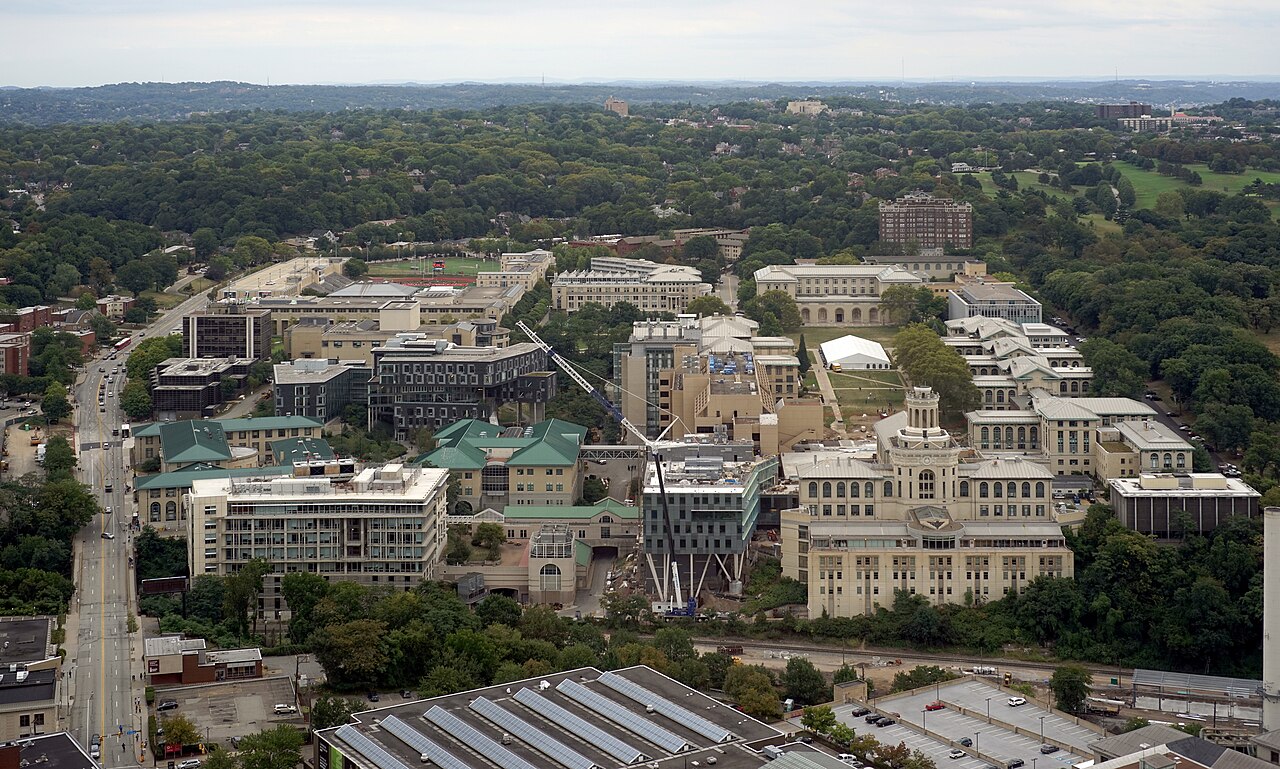
We visited Pittsburgh, Washington and New York. We went to museums, experienced how different the cities felt and drove between states. Driving there was a little frightening and a lot of fun. The trip gave us time together after a very demanding few years.
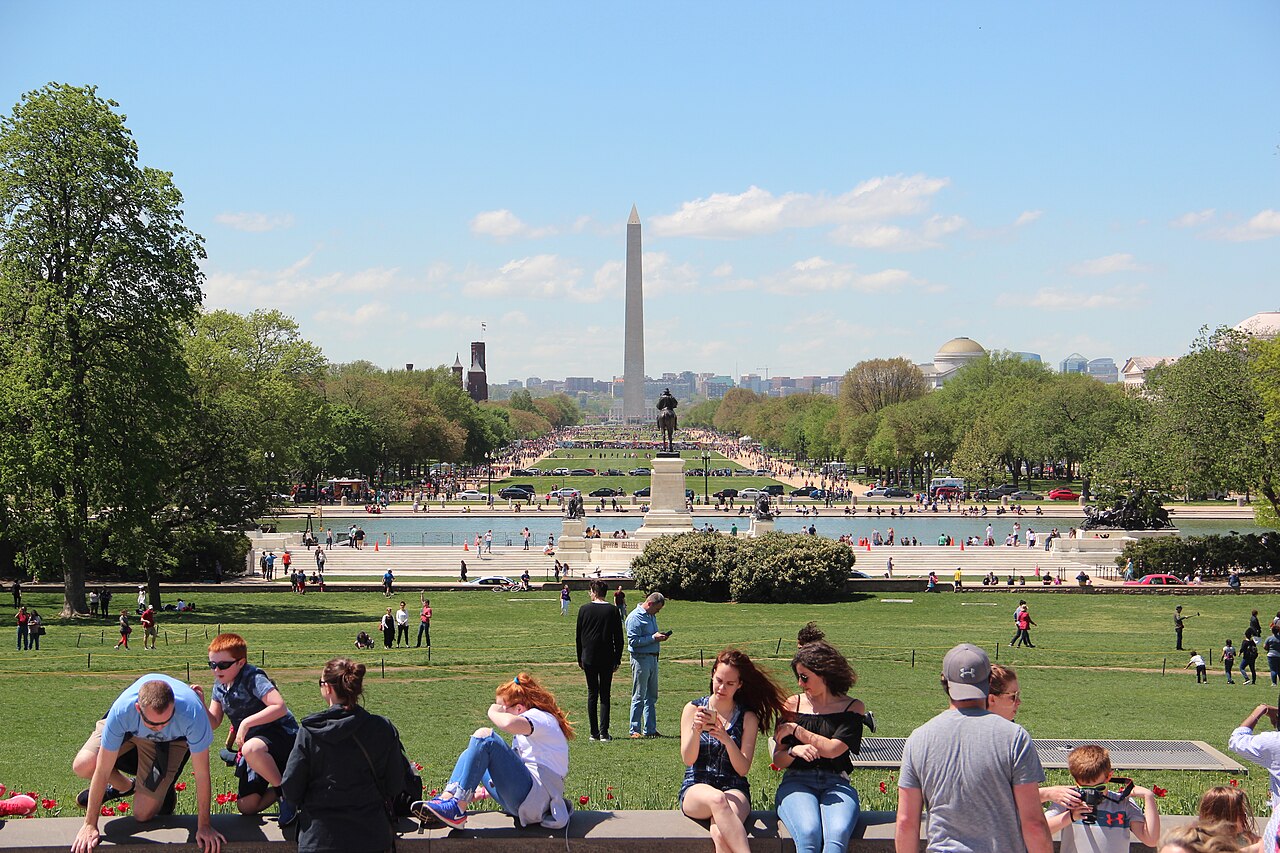


.jpg)
Still working out what comes next
After the degree, I wanted to apply what I had learned at Chemical Express, but I also wanted to try another business of my own. I gathered a team around an automation integration idea using Loxone. My interest moved towards energy use and helping buildings operate more efficiently.
We got interest from a hotel, but I let the scope grow too large. There were many things we could propose, and I kept thinking about more of them. As I worked through what delivery would require, I realised how many technicians and other resources we would need.
The idea never reached a workable proposal. There were difficulties with the team, but I was part of the problem too. I hadn’t brought the opportunity down to something we could realistically take on.
Since then, I’ve considered smaller software ideas, including something that could work through LINE. I’ve also bought a pool villa that we’re renovating for short stays. It is still being prepared, so I don’t yet have a story about running it or welcoming guests.
I’m now a father of two, and I’m thinking about what I want the next stage of work to look like. I enjoy building things and solving practical problems. I also need the income to support my family, and I want to be honest about how much that matters in these decisions.
I haven’t settled on one answer. It might involve a new role, consulting, a business of my own or some combination of those. This is where the story is for now. I’ll keep adding to it as I have more to tell.